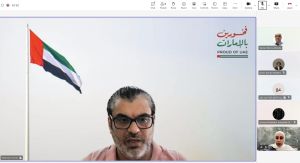
The Cybersecurity Department at Tishk International University (TIU) recently held its first Curriculum Modification Meeting on June 15, 2026. The high-level meeting was conducted online via Microsoft Teams and brought together academic experts, industry professionals, and students from different countries to review and enhance the department’s curriculum. The primary objective was to ensure that TIU graduates acquire the knowledge, technical competencies, and practical skills required to succeed in today’s rapidly evolving cybersecurity landscape. The meeting was organized and chaired by Ms. Halal Abdulrahman, Assistant Lecturer in the Cybersecurity Department at TIU, as part of the department’s ongoing commitment to academic excellence, innovation, and continuous quality improvement. The curriculum review team consisted of a distinguished group of local, regional, and international experts. Professor Shehzad Ashraf Chaudhry, Professor of Cybersecurity Engineering at Abu Dhabi University, UAE, shared valuable perspectives on international academic standards, cybersecurity engineering education, and global information security trends. Dr. Saman Mirza Abdullah, Assistant Professor and researcher in the Kurdistan Region and part-time lecturer at TIU, provided insights based on his direct experience teaching students in both the Computer Engineering and Cybersecurity departments, highlighting current challenges and opportunities for curriculum enhancement. Industry expertise was represented by Mr. Mohamed A. Hassan, a Cybersecurity Consultant from Kuwait with more than 20 years of professional experience, who outlined the technical and professional skills currently sought by employers. Mr. Abdelkhalek Nael Allan, Cybersecurity Trainer and Founder of AllanCyber in Jordan, emphasized the importance of practical training, ethical hacking, penetration testing, and hands-on learning methodologies in preparing students for real-world cybersecurity careers. Student perspectives also played an important role in the discussion. Mr. Omer Sardar, a TIU student and Cybersecurity Analyst at Fastlink, shared his experiences balancing academic studies with professional responsibilities and provided valuable feedback on how university courses align with workplace requirements. Additionally, Mr. Ahmed Mudafar, a TIU student and active Bug Bounty Hunter, highlighted the importance of practical laboratory exercises, cybersecurity competitions, and real-world security challenges in developing students’ technical expertise. Following the presentations, participants engaged in productive discussions on balancing theoretical foundations with hands-on laboratory experiences, incorporating emerging cybersecurity technologies into the curriculum, and strengthening students’ problem-solving, critical-thinking, and professional skills. The participants also explored opportunities to introduce new specialized topics that reflect current industry demands and technological advancements. This initiative demonstrates Tishk International University’s commitment to providing high-quality, future-oriented education and aligns with several United Nations Sustainable Development Goals (SDGs). The curriculum review supports SDG 4: Quality Education by ensuring that academic programs remain relevant, innovative, and responsive to industry needs. It contributes to SDG 8: Decent Work and Economic Growth by equipping graduates with the skills and competencies necessary for successful employment in the cybersecurity sector. The meeting also advances SDG 9: Industry, Innovation and Infrastructure through the integration of emerging technologies, innovation-driven learning approaches, and industry best practices into the educational framework. Furthermore, the collaboration between international academics, industry professionals, and students reflects SDG 17: Partnerships for the Goals, fostering knowledge exchange and cooperation to strengthen cybersecurity education and workforce development.
This successful meeting marks the first step in TIU’s ongoing efforts to maintain a modern, high-quality cybersecurity curriculum that meets both international standards and local market requirements, ensuring that graduates are well-prepared to contribute to the digital economy and the future of cybersecurity.