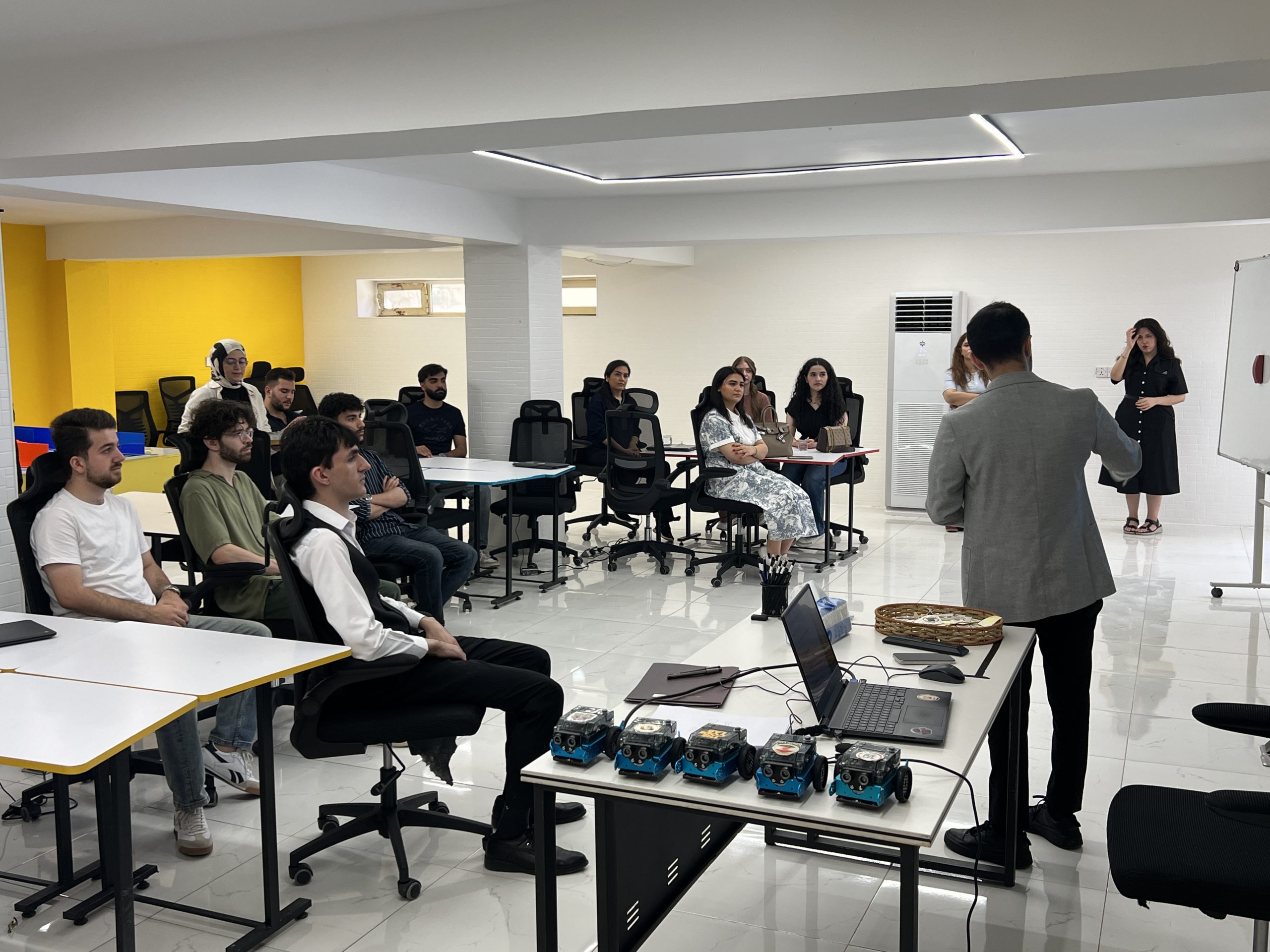

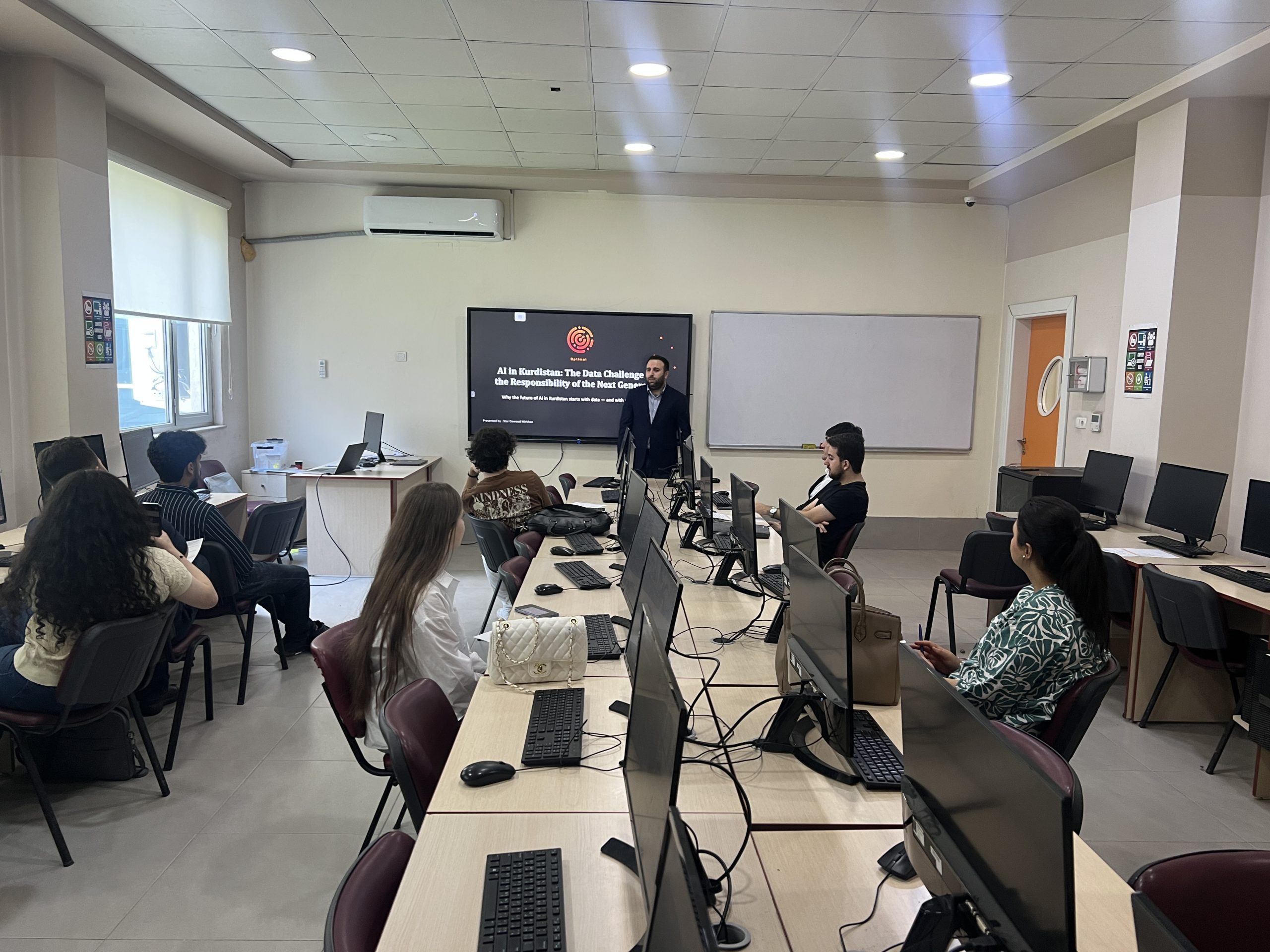
On June 14, 2026, the Artificial Intelligence Department at Tishk International University (TIU) in Erbil hosted an insightful guest lecture titled “AI in Kurdistan: The Data Challenge and the Responsibility of the Next Generation.” Integrated into the Programming II course taught by Hemin Ibrahim, the session provided first-stage AI students with an invaluable opportunity to connect foundational academic concepts with real-world industry applications.
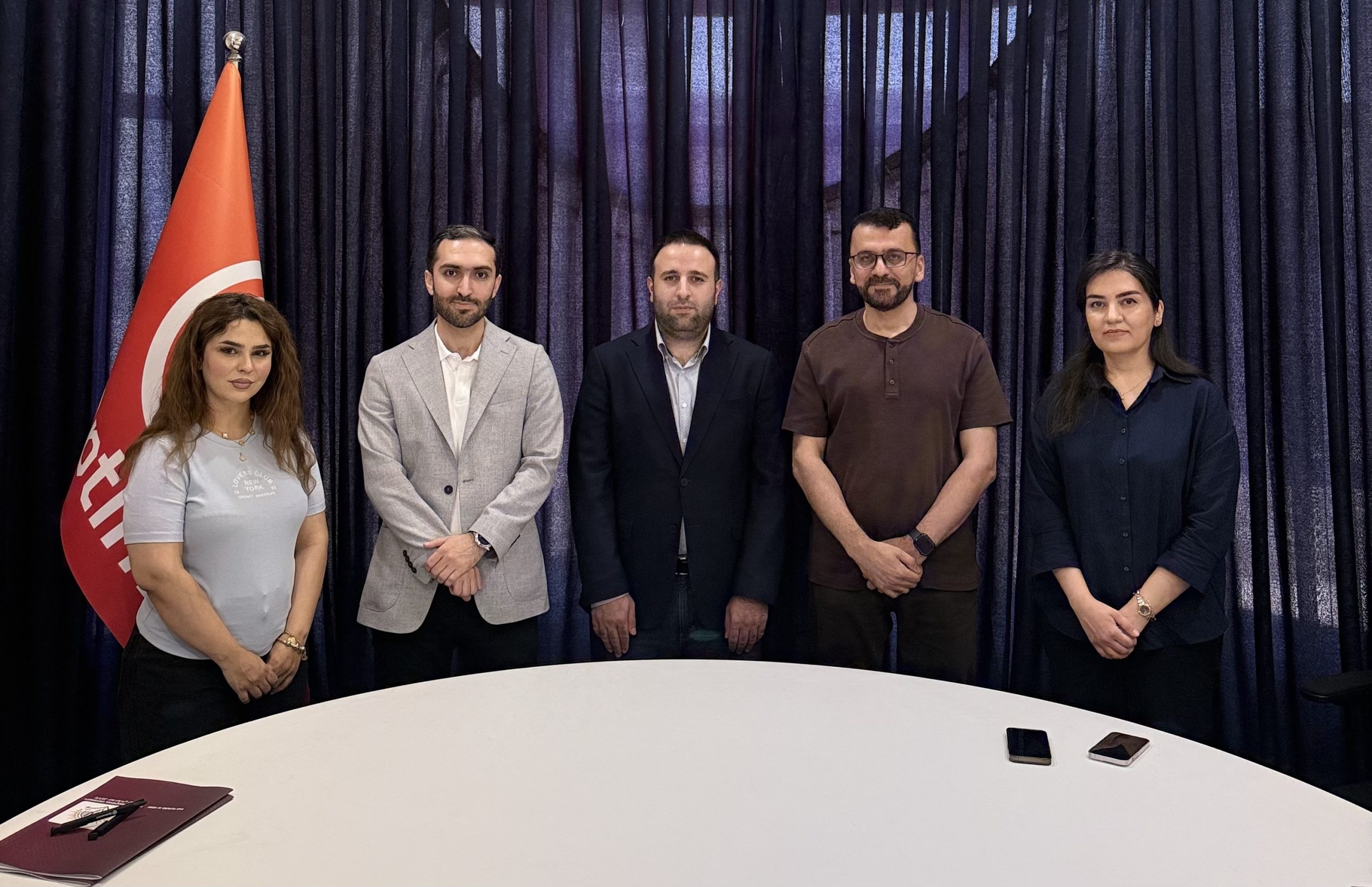
The department had the honor of welcoming Mr. Star Dawood Mirkhan, CEO of Optimal Company, who delivered a highly engaging 40-minute presentation. The core of his message centered on a foundational principle of modern technology: the success of any AI system is entirely dependent on the data it processes. Mr. Mirkhan challenged the students to look beyond mere data quantity, emphasizing that not all data is useful. Instead, he stressed the critical necessity of sourcing, preparing, and utilizing “clean” and accurate data to build reliable AI models.
To ground his arguments in the local context, Mr. Mirkhan shared a variety of practical examples specific to the Kurdistan Region. He illustrated the current data landscape, outlining both the hurdles developers face and the immense potential for innovation. Drawing from his own extensive background, he candidly discussed his experiences collecting localized data during his Master’s studies in Artificial Intelligence. He then connected this academic experience to his current professional endeavors, explaining how Optimal Company prioritizes data integrity to deliver effective tech solutions. The presentation concluded with a dynamic Q&A session, allowing students to directly engage with the speaker and inquire about their future roles in shaping the region’s technological infrastructure.
This engaging guest lecture directly aligns with the Artificial Intelligence Department’s ongoing commitment to advancing the United Nations Sustainable Development Goals (SDGs). By bringing successful industry leaders into the classroom, the department actively champions Quality Education (SDG 4), ensuring that students receive practical, future-ready skills that go beyond textbook theory. Additionally, by focusing on local data solutions and the technological development of the Kurdistan Region, the initiative heavily supports Industry, Innovation, and Infrastructure (SDG 9) and lays the groundwork for Decent Work and Economic Growth (SDG 8) by empowering the next generation of regional tech innovators.