Expert-Led Laboratory Safety Instruction
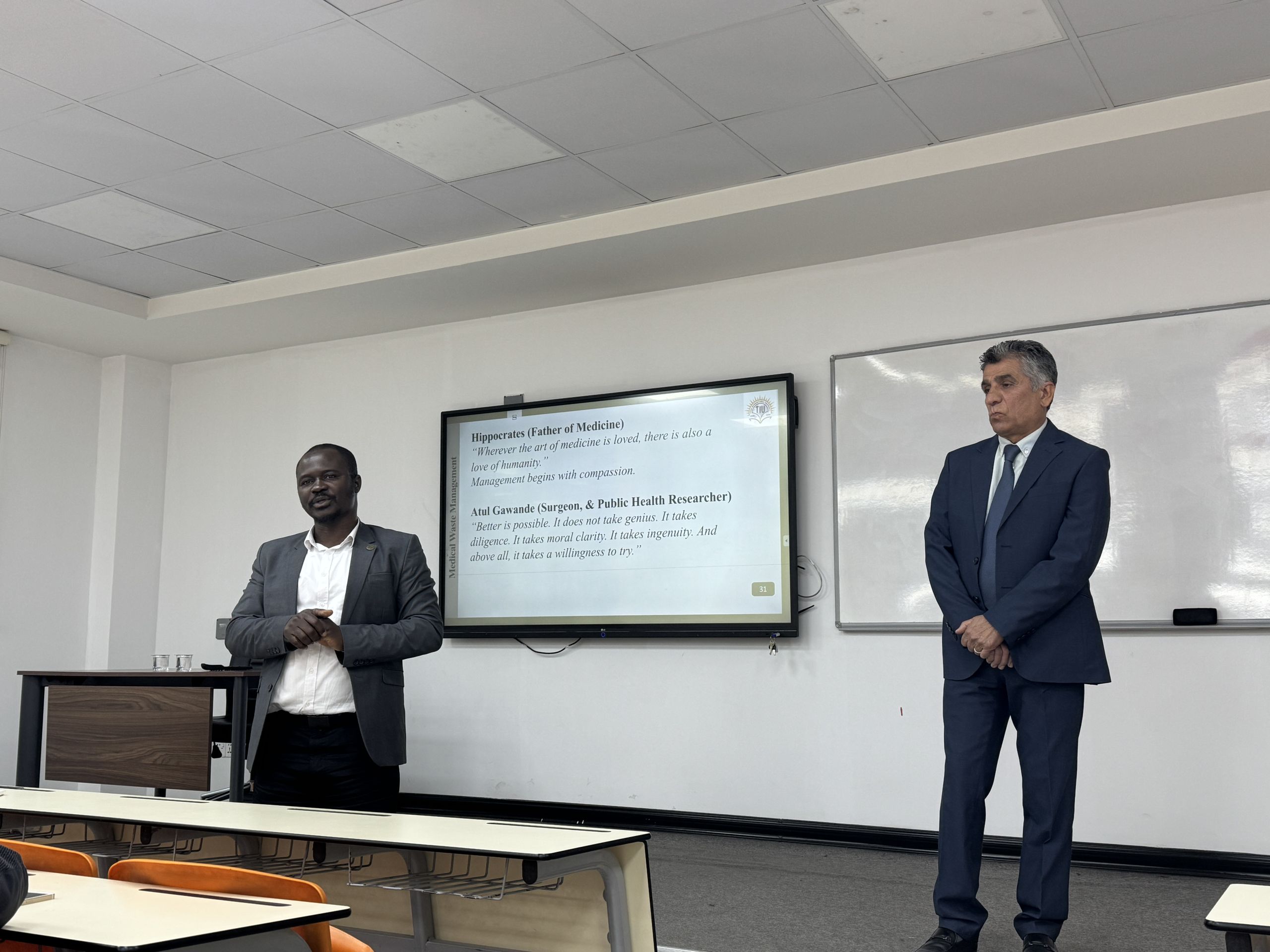
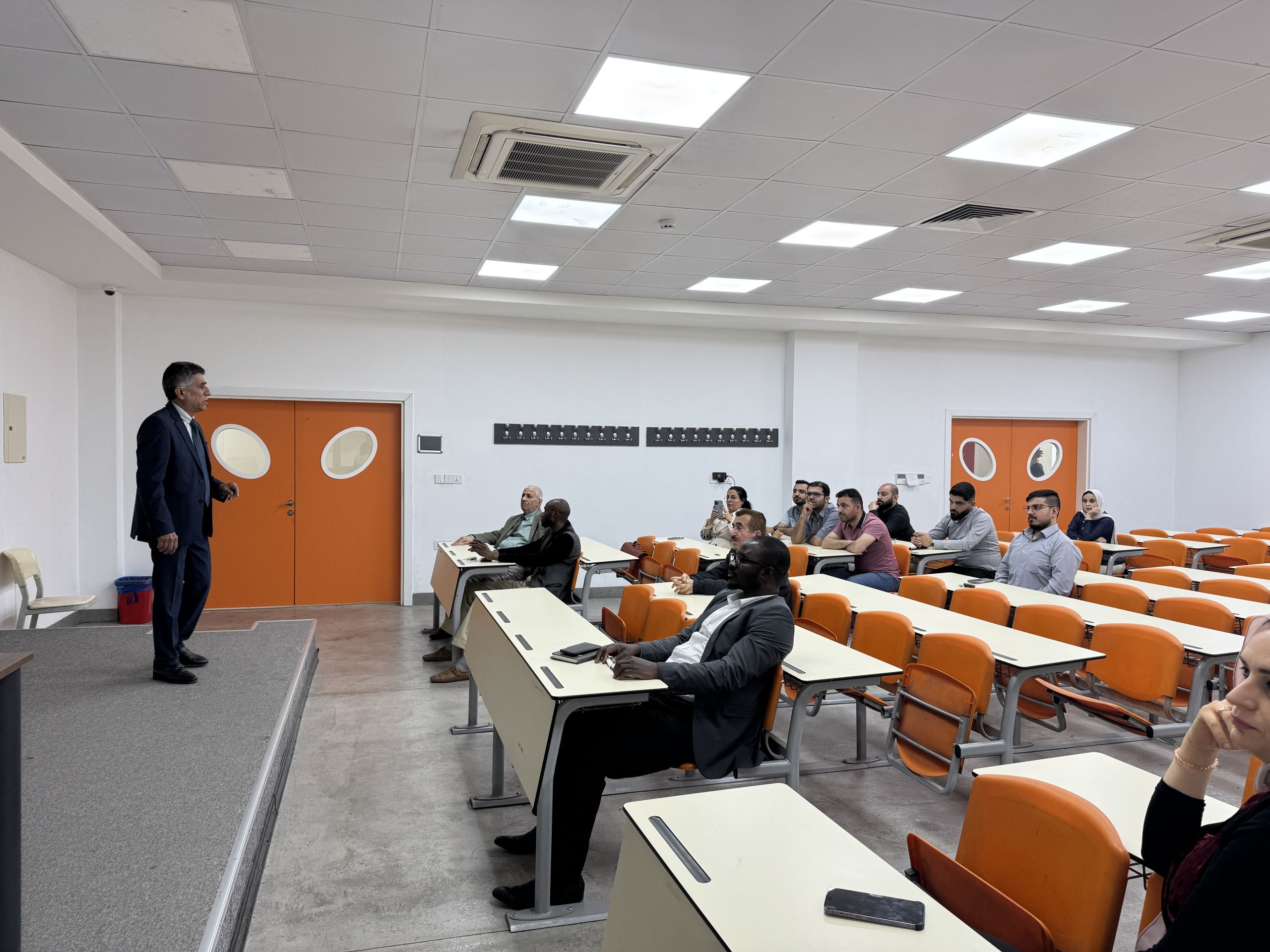
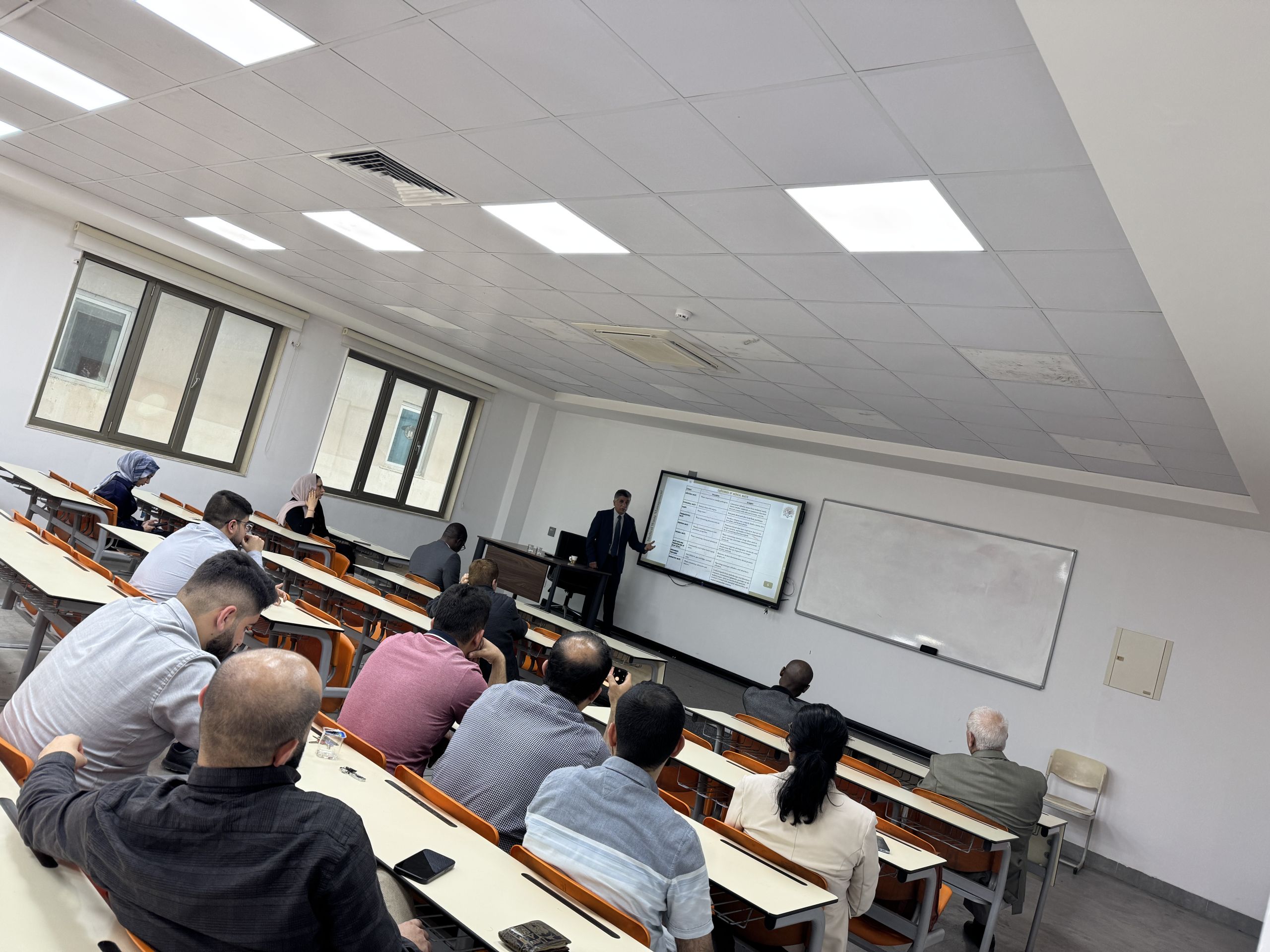
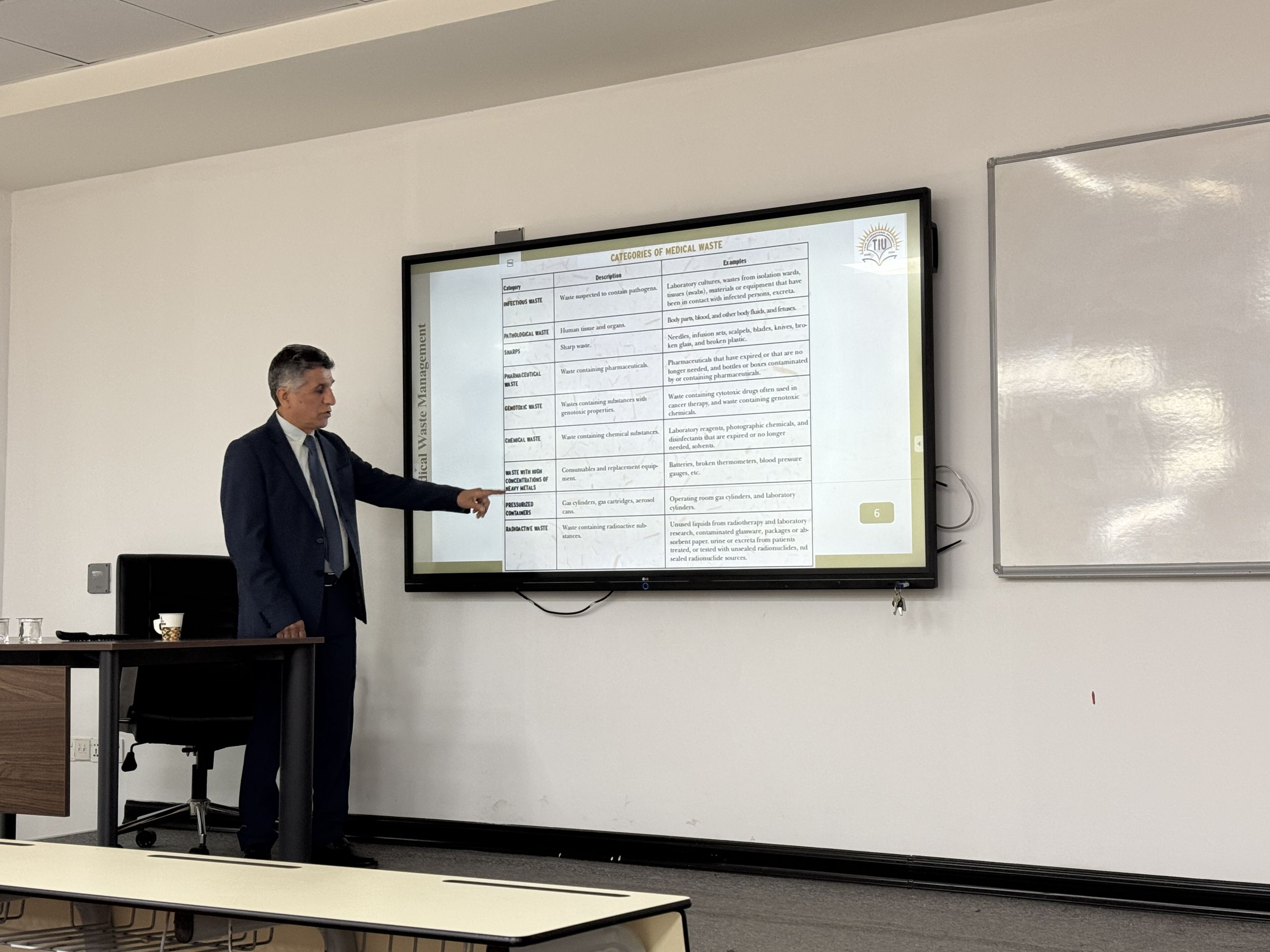
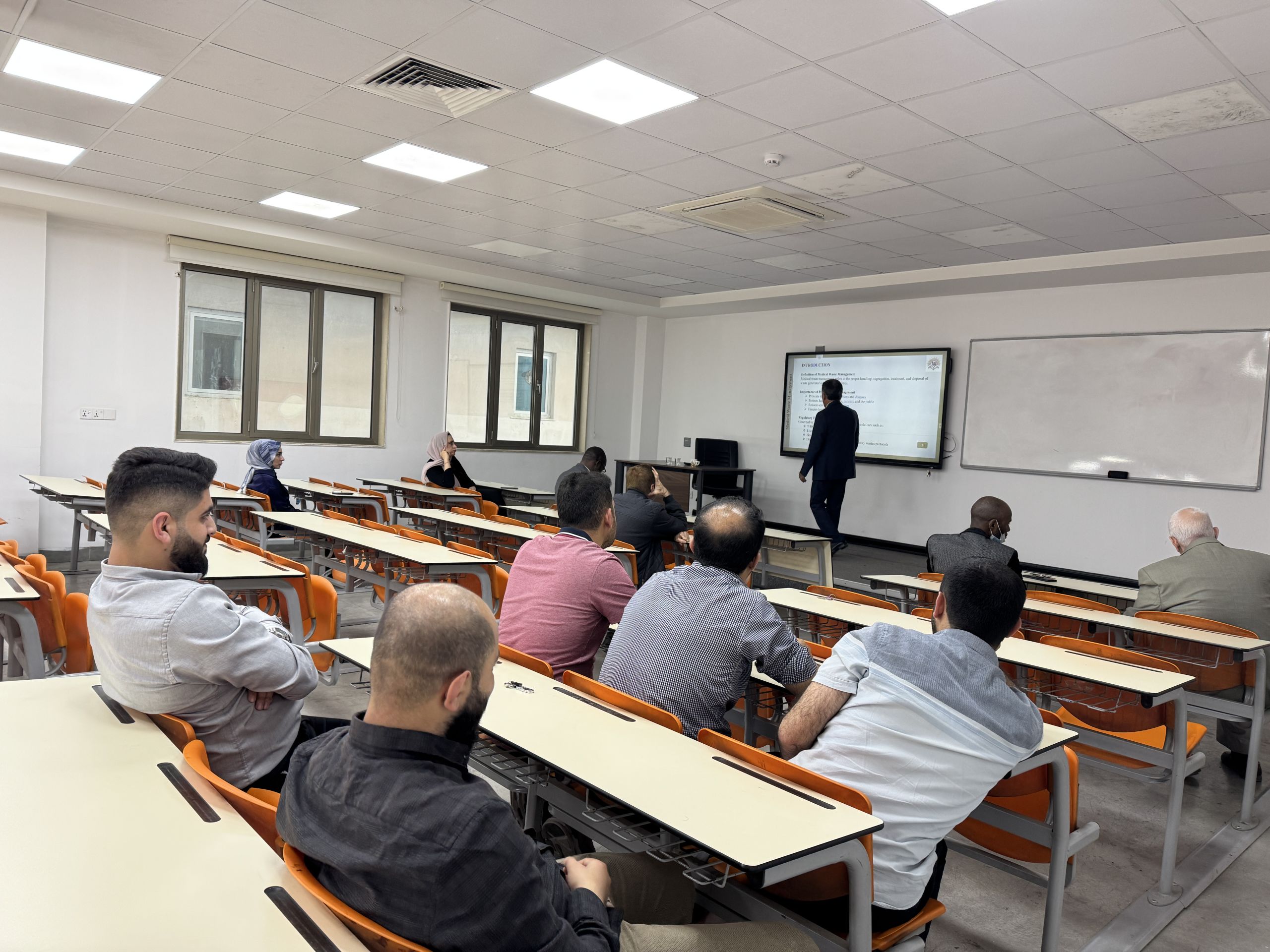
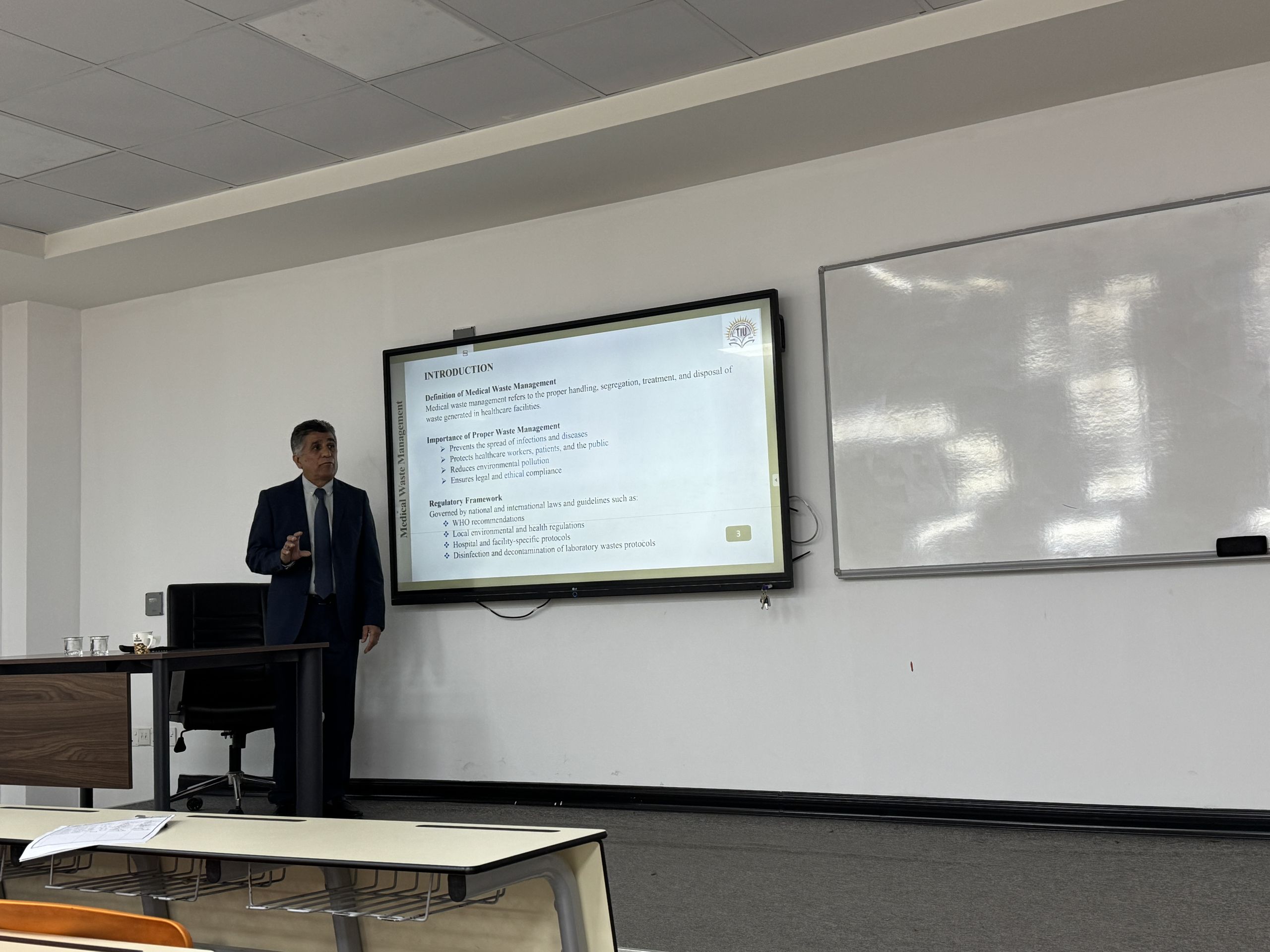
The Medical Analysis Department at Tishk International University’s Faculty of Applied Sciences successfully conducted the second session of its training course “Medical Waste Management” on April 21st, 2025. The session featured an informative presentation by Dr. Jamil Baban, respected academic staff member of the Medical Analysis Department, who provided comprehensive guidance on managing hazardous laboratory materials.
Comprehensive Waste Classification and Management
Dr. Jamil’s presentation covered essential aspects of laboratory waste handling, with particular focus on:
-
Different categories of waste generated in laboratory environments
-
Specific management protocols for biological hazardous materials
-
Risk assessment associated with improper waste handling
-
Safe collection procedures for various waste types
-
Effective segregation methods to prevent cross-contamination
-
Proper storage techniques for hazardous materials
-
Environmentally responsible disposal practices
Regulatory Compliance and Safety Protocols
The session also addressed critical regulatory and safety considerations, including:
-
Relevant regulations governing medical waste management
-
Safety protocols designed to protect laboratory personnel
-
Environmental impact minimization strategies
-
Best practices for maintaining compliance with standards
-
Risk mitigation approaches for laboratory settings
Active Participant Engagement
The session generated substantial interest and participation, with students and attendees actively engaging in discussions about the practical implementation of waste management protocols. The positive response demonstrates the relevance of this training for developing comprehensive safety competencies among future healthcare professionals and laboratory personnel.
Keywords: Medical Waste Management, Biological Hazardous Waste, Laboratory Safety, Environmental Compliance, Risk Mitigation, Safety Protocols, Waste Disposal, Laboratory Regulations