
Academic Contribution to Shayan Magazine
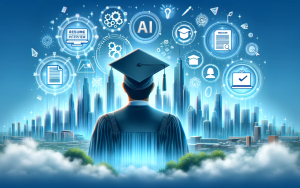
Mr. Islam A. Qader, an academic staff member in the Department of Information Technology at Tishk International University, recently published an insightful article in Shayan Magazine titled “The Impact of AI on Education.” In this article, he discusses how Artificial Intelligence is transforming the education sector by enhancing personalized learning, improving accessibility, and supporting teachers in their roles.
Below is the complete version of the article:

Islam A. Qader Department of Information Technology TIU – Erbil
Key Applications of AI in Education
| Application | Description |
|---|---|
| Personalized Learning Systems | Adapt to individual student needs by analyzing performance, learning styles, and progress; offer customized content for better engagement and retention |
| AI Tutoring Systems | Provide one-on-one tutoring with instant feedback; adjust lessons based on comprehension level |
| Automated Assessment and Feedback | Automate grading of assignments, tests, and essays; ensure consistent grading and faster feedback |
| NLP-Based Learning Tools | Support language learning, offer real-time writing assistance, and translate educational content across languages |
Broader Impacts of AI on Education
| Impact Area | Description |
|---|---|
| Increased Personalization | Tailors experiences to individual preferences; ensures no student is left behind |
| Greater Access to Education | Expands global access through online platforms; breaks down geographical and financial barriers |
| Empowering Teachers | Reduces administrative burdens; provides insights into student performance |
| Supporting Lifelong Learning | Enables upskilling and reskilling at any life stage through adaptive platforms |
Addressing Common Concerns
Q: Will AI replace teachers?
A: AI will not replace teachers but will work alongside them, enhancing the teaching process by taking over repetitive tasks.
Q: Can AI improve education access for disadvantaged communities?
A: Yes, through online learning platforms and personalized tools, making education more accessible and inclusive.
Conclusion
AI is bringing significant improvements to education by making learning more personalized, accessible, and efficient. As AI continues to evolve, it is essential to ensure responsible use — addressing issues of fairness, privacy, and equal access — so that its potential benefits can be fully realized in the education sector.
Keywords: Artificial Intelligence, AI in Education, Personalized Learning, Educational Technology, NLP in Education, Shayan Magazine, TIU Information Technology, Islam A. Qader, Automated Assessment, Lifelong Learning