Molecular Biology Laboratory (MBL)

The Molecular Biology Laboratory (MBL) provides an advanced environment for molecular biology research, scientific innovation, and academic collaboration. The laboratory supports researchers, students, and academic staff with modern technologies and facilities for high-quality molecular analyses and experimental work.

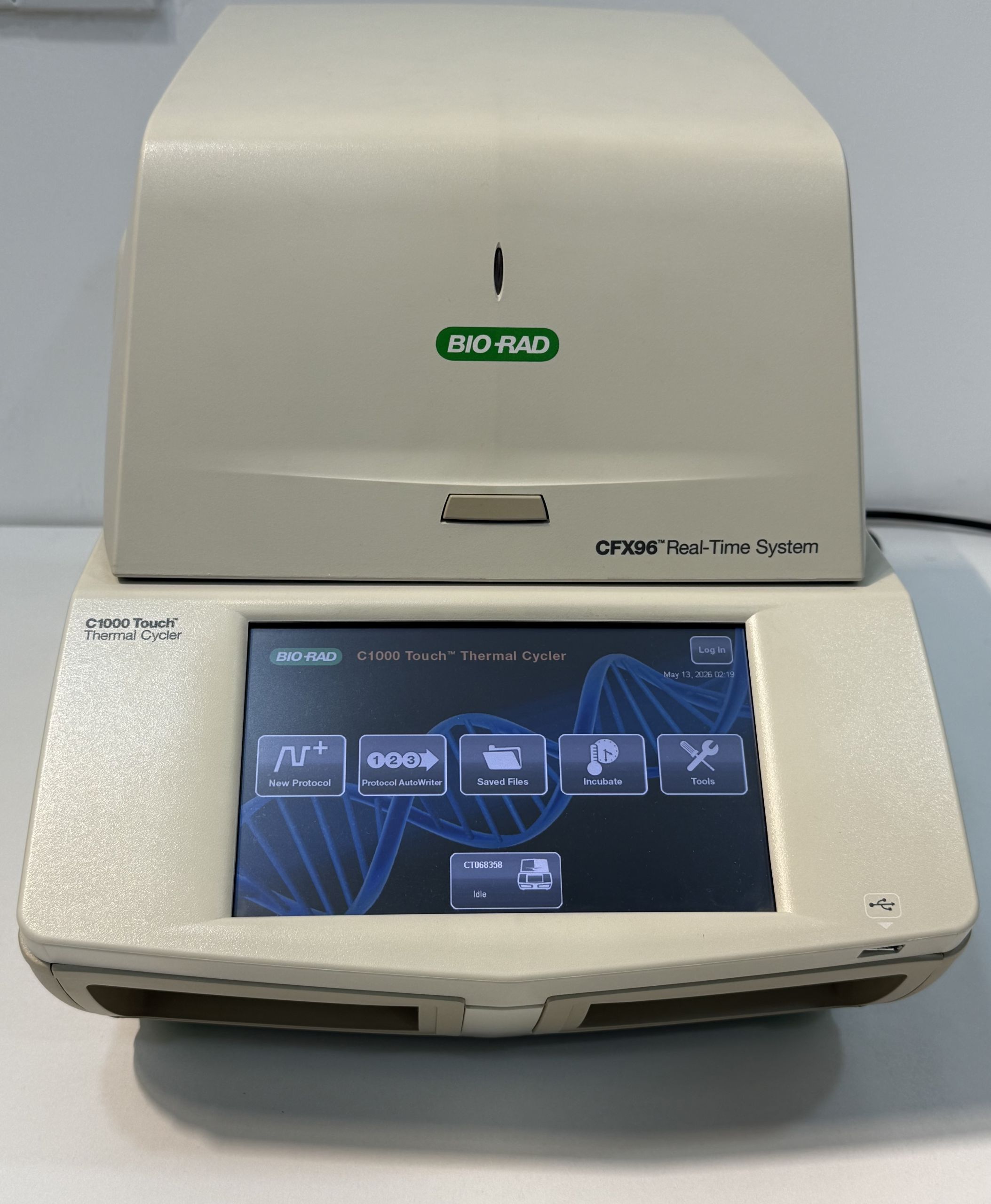
MBL offers a range of molecular techniques, including Conventional PCR, Real-Time PCR (qPCR), Reverse Transcription PCR (RT-PCR), and Droplet Digital PCR (ddPCR), using advanced systems from Bio-Rad Laboratories.

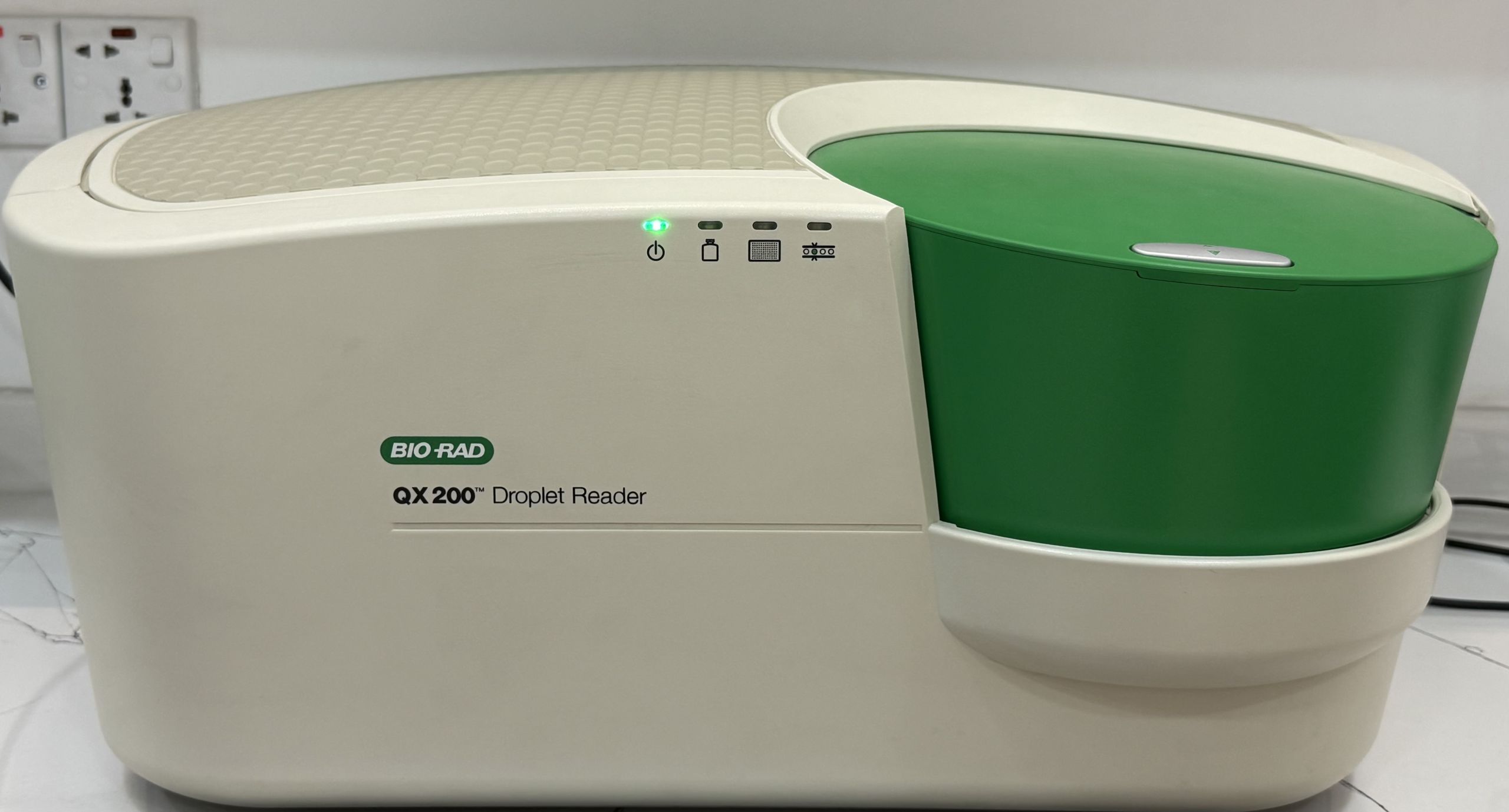
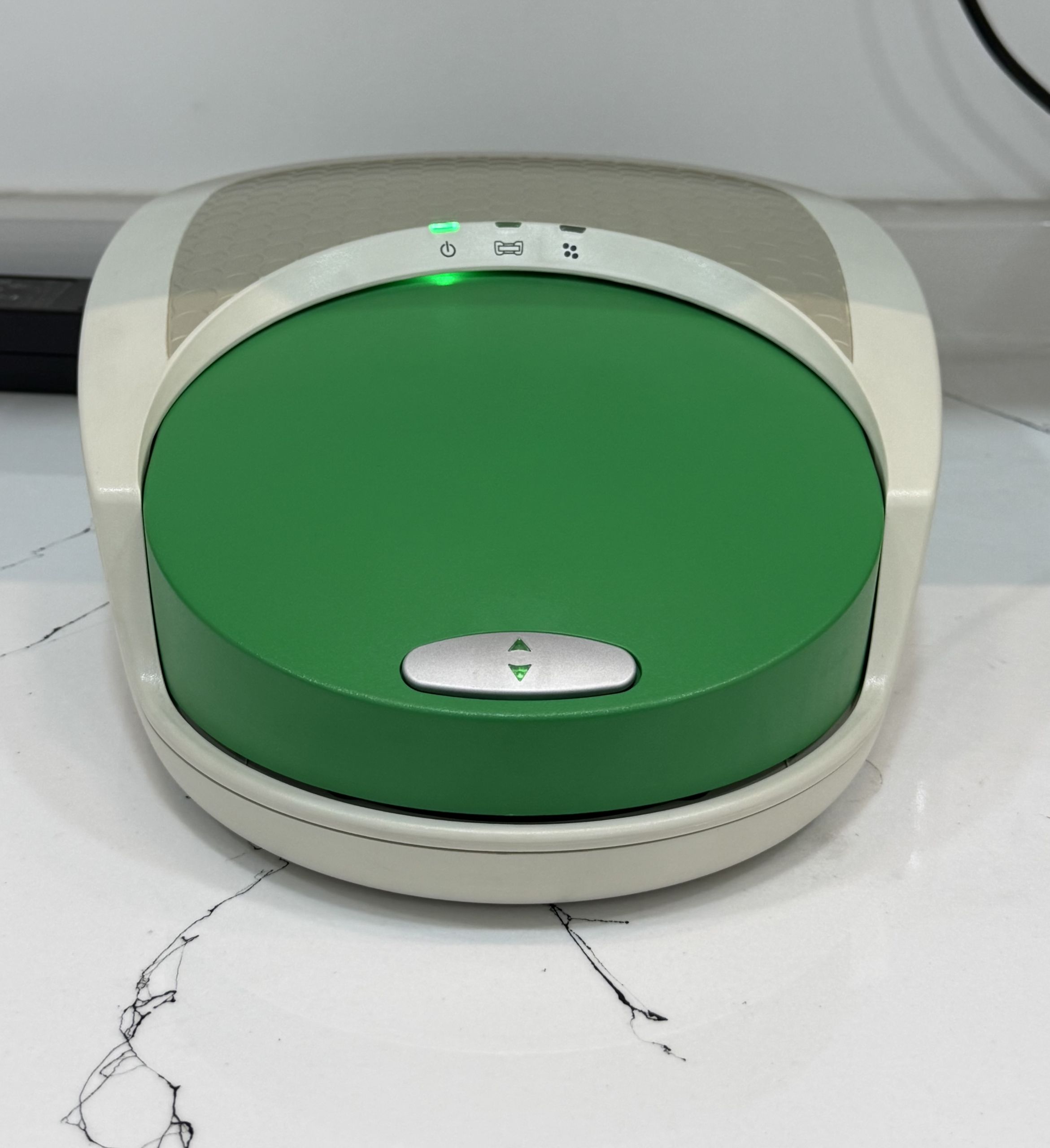
One of the key strengths of MBL is the Bio-Rad QX200 ddPCR System, which enables highly sensitive and precise nucleic acid quantification for various research and diagnostic applications.

Through its modern facilities and research-focused environment, MBL aims to support scientific progress and contribute to advancements in molecular biology and biomedical sciences.
Molecular Technologies Available at MBL


Real-Time PCR (QPCR)

Real-Time PCR, also known as quantitative PCR (qPCR), allows the monitoring and quantification of DNA amplification in real time. This technique is highly sensitive and is widely used in gene expression studies, infectious disease detection, and molecular diagnostics.


Conventional PCR

Conventional PCR is a widely used molecular technique for amplifying specific DNA sequences. It is commonly applied in genetic analysis, pathogen detection, and molecular research.


Advanced Molecular Diagnostics

Droplet Digital PCR (ddPCR)

Droplet Digital PCR (ddPCR) is an advanced PCR technology that enables
absolute quantification of nucleic acids with exceptional sensitivity and precision — without requiring standard curves.

The Bio-Rad QX200 ddPCR System
partitions samples into thousands of nanoliter-sized droplets, allowing independent PCR reactions within each droplet for highly accurate DNA and RNA detection.

Key Advantages

  • Absolute quantification without standard curves
  • Higher sensitivity and precision
  • Detection of rare mutations and low-abundance targets
  • Excellent reproducibility and reliability

Common Applications

Cancer mutation detection
Viral load quantification
Gene expression analysis
Copy number variation studies
Rare mutation detection
GMO & molecular diagnostics


Reverse Transcription PCR (RT-PCR)

RT-PCR is used to convert RNA into complementary DNA (cDNA) before amplification. This method is essential for studying RNA viruses, gene expression, and transcriptomic analysis.