Medical Analysis Students Organize a Charity Visit to Nanakali Cancer Center to Support Children and Patients
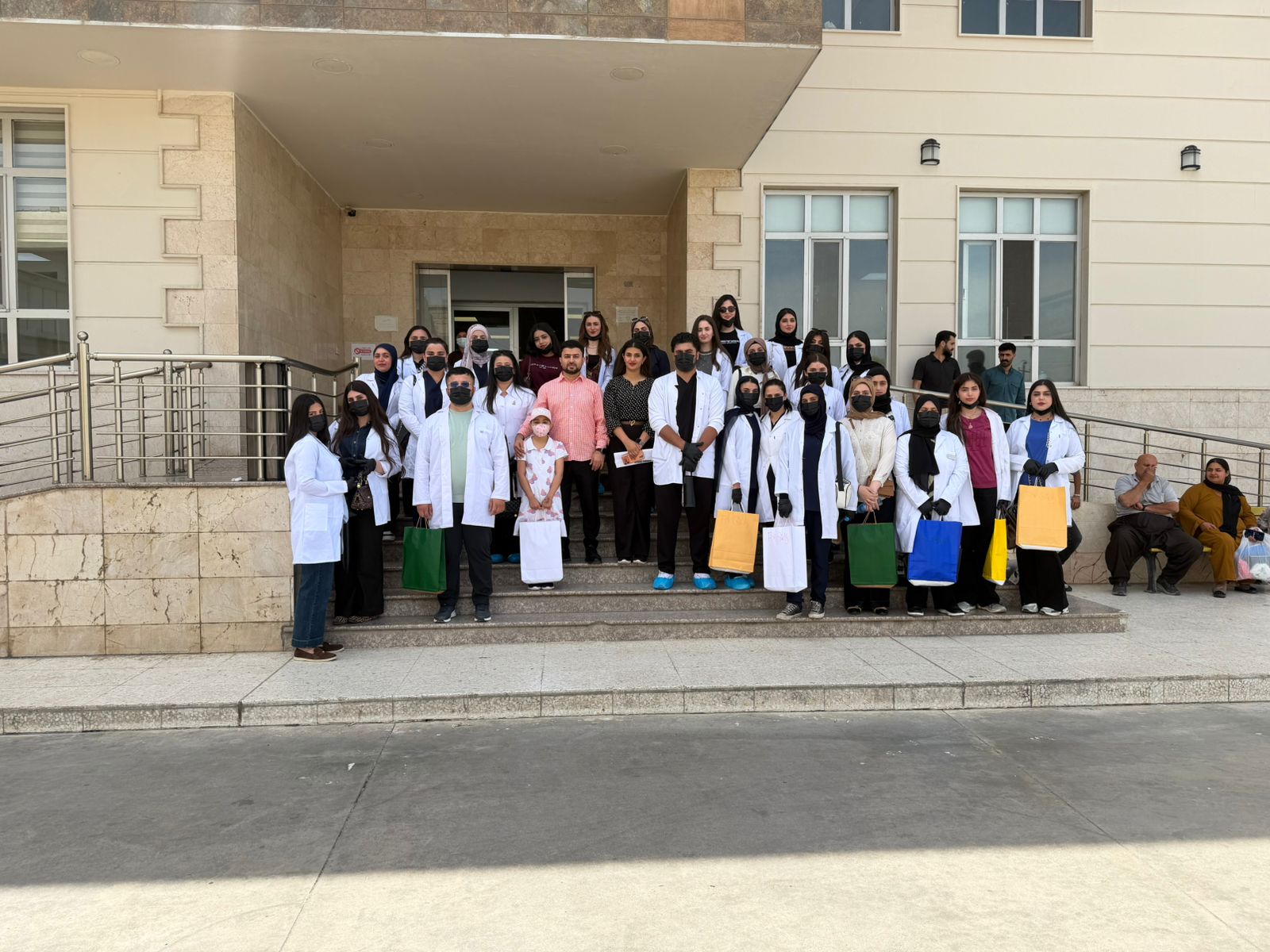
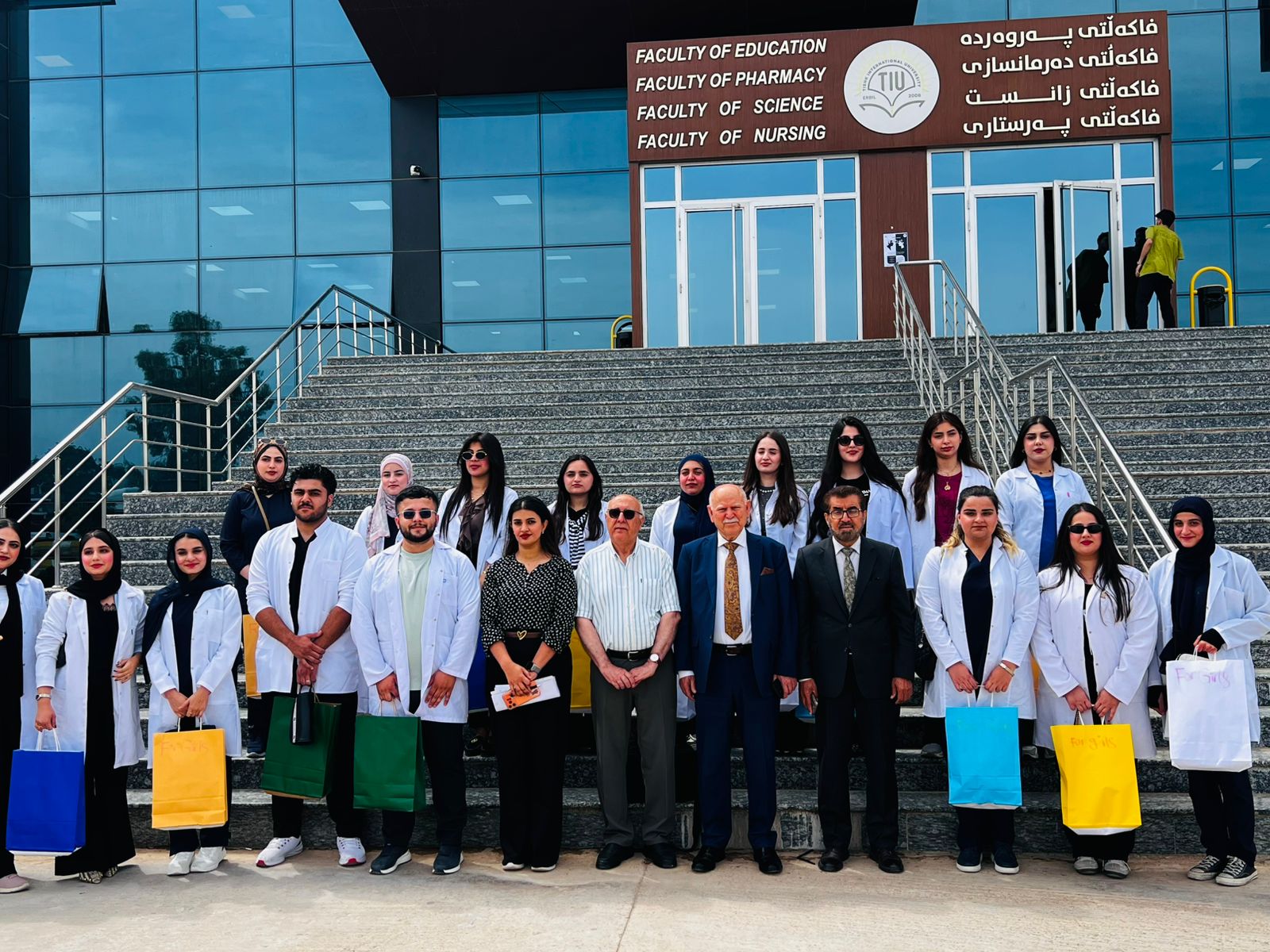
As part of the Interpersonal Dynamics and Character Building (IDCB) course, a group of students from the Medical Analysis Department organized a project entitled “Charity Project Visit to Nanakali Cancer Center” at Nanakali Cancer Center under the supervision of Ms. Amani Tahsin and Ms. Zina Sarteep on May 20, 2026. The initiative was designed to support children and patients undergoing treatment through charitable activities, emotional encouragement, and community engagement.
The main aim of the project was to spread hope, happiness, and positive energy among cancer patients and their families while promoting the values of compassion, empathy, and social responsibility. Through this activity, students worked together to provide emotional support and contribute to improving the well-being of children and patients facing difficult health challenges.
This project was connected to the Sustainable Development Goals (SDGs), particularly SDG 3: Good Health and Well-being, SDG 10: Reduced Inequalities, and SDG 17: Partnerships for the Goals. The activity emphasized important values such as teamwork, communication, leadership, empathy, social responsibility, community engagement, humanitarian service, and sustainable development.
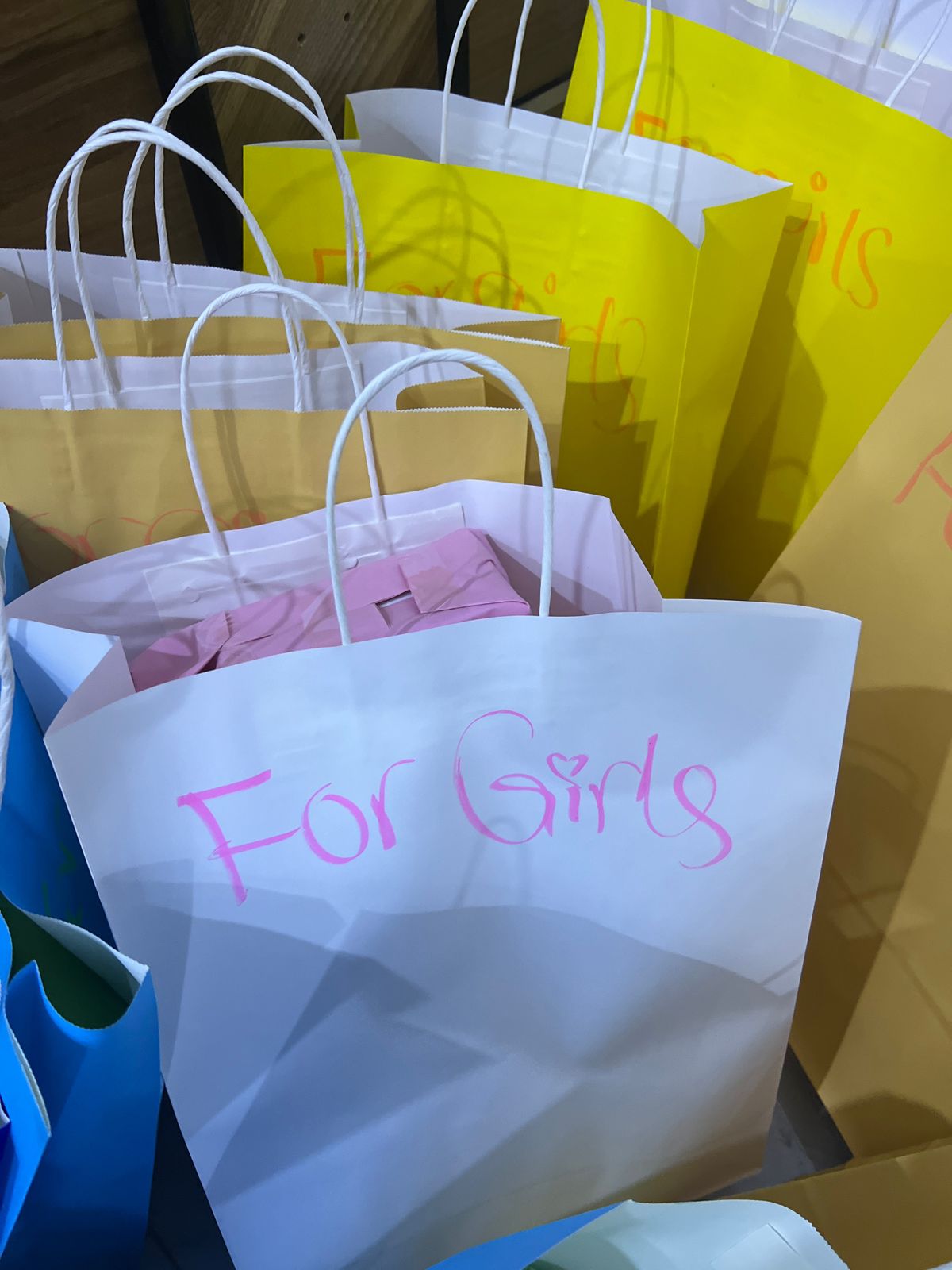
During the visit, students interacted with children and patients at the center, providing gifts, donations, and emotional encouragement. They spent time with the children through friendly conversations and recreational activities aimed at creating a positive and supportive atmosphere. The students also expressed solidarity with the patients and their families, demonstrating care and compassion during their treatment journey. Through these efforts, the project helped bring moments of joy and comfort to those receiving care at the center.
The project provided students with an opportunity to apply interpersonal and communication skills in a real-life humanitarian setting while making a meaningful contribution to the community. It also strengthened the connection between the university and local healthcare institutions through active participation and charitable service.
At the end of the activity, students gained valuable experience in community service and humanitarian work. They enhanced their understanding of social responsibility, teamwork, empathy, and sustainable development while recognizing the importance of supporting vulnerable groups and contributing positively to society.
SDGs Related:
SDG 3: Good Health and Well-being
SDG 10: Reduced Inequalities
SDG 17: Partnerships for the Goals